How to Avoid "Flicker Complaints" in Hotel Projects?
Learn how to prevent guest complaints and expensive maintenance by choosing flicker-free LED drivers for your hotel projects. Protect your reputation with stable lighting.
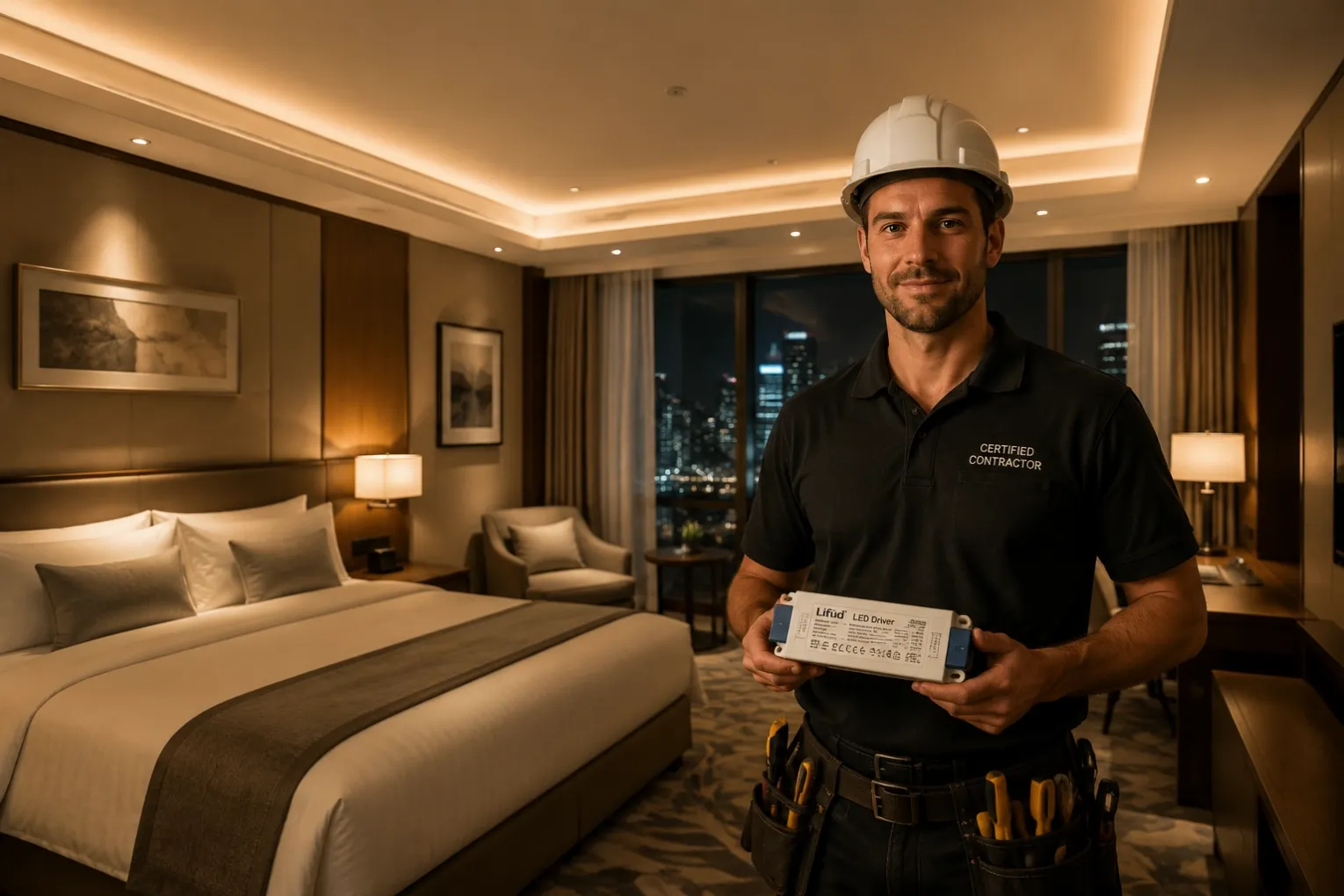
Everyone loves a bargain. But in the LED business, a "cheap" price tag is often a trap. If you buy a wall light for $5 less today, but it fails in six months, you haven't saved money. You’ve actually doubled your costs. Are you ready to pay twice for the same project?
At DAYBREAK OPTO-TECHNOLOGY, we talk to B2B buyers every day who are tired of replacing "cheap" lights. In this guide, you will learn how to spot a bad investment before you sign the check.
The "Hidden" Costs of Cheap Lights
When a light fails in a hotel or a shopping mall, the cost isn't just the new light. You have to pay for:
- Expensive Labor: Hiring a technician to climb a ladder or open a wall costs way more than the light itself.
- Angry Clients: If the lights flicker, your client loses trust in you.
- Shipping Stress: Waiting for replacements while your project looks broken is a nightmare.
Why Do Cheap Lights Die So Fast?
It usually comes down to two things: Heat and Parts.
Cheap lights use thin plastic or light metal that can't handle heat. When the light gets too hot, the LED chip dies. We use heavy-duty die-cast aluminum to keep our lights cool. We also use high-quality drivers that don't pop when the power spikes. This is why we can give you a 3-year warranty without worrying.
Our Solution: Buy It Once, Do It Right
We don't want to be the cheapest factory in China; we want to be the most reliable. Our lights are CE, LVD, EMC, and RoHS certified. This means they pass safety inspections and they keep working long after the "cheap" ones have burned out. Whether it's for a luxury hotel or a simple garden path, our lights are built to stay on.
Stop Wasting Your Budget
A real professional knows that quality is the best way to save money. Don't let a low price ruin your reputation.
Contact our team today for a quote on lights that actually last. Let’s make sure your next project is a "one-time" investment, not a recurring headache.
Frequently Asked Questions (FAQ)
Q: Why is aluminum better than plastic for LED lights?
A: LEDs hate heat. Aluminum acts like a radiator, pulling heat away from the bulb. Plastic traps heat, which kills the light quickly. Our die-cast aluminum is built for long-term use.
Q: What does your 3-year warranty actually cover?
A: It covers everything. If the light fails due to a manufacturing problem within 3 years, we provide the solution. We stand behind our quality so you can stand behind your project.
Q: Can I get a sample to compare with my current supplier?
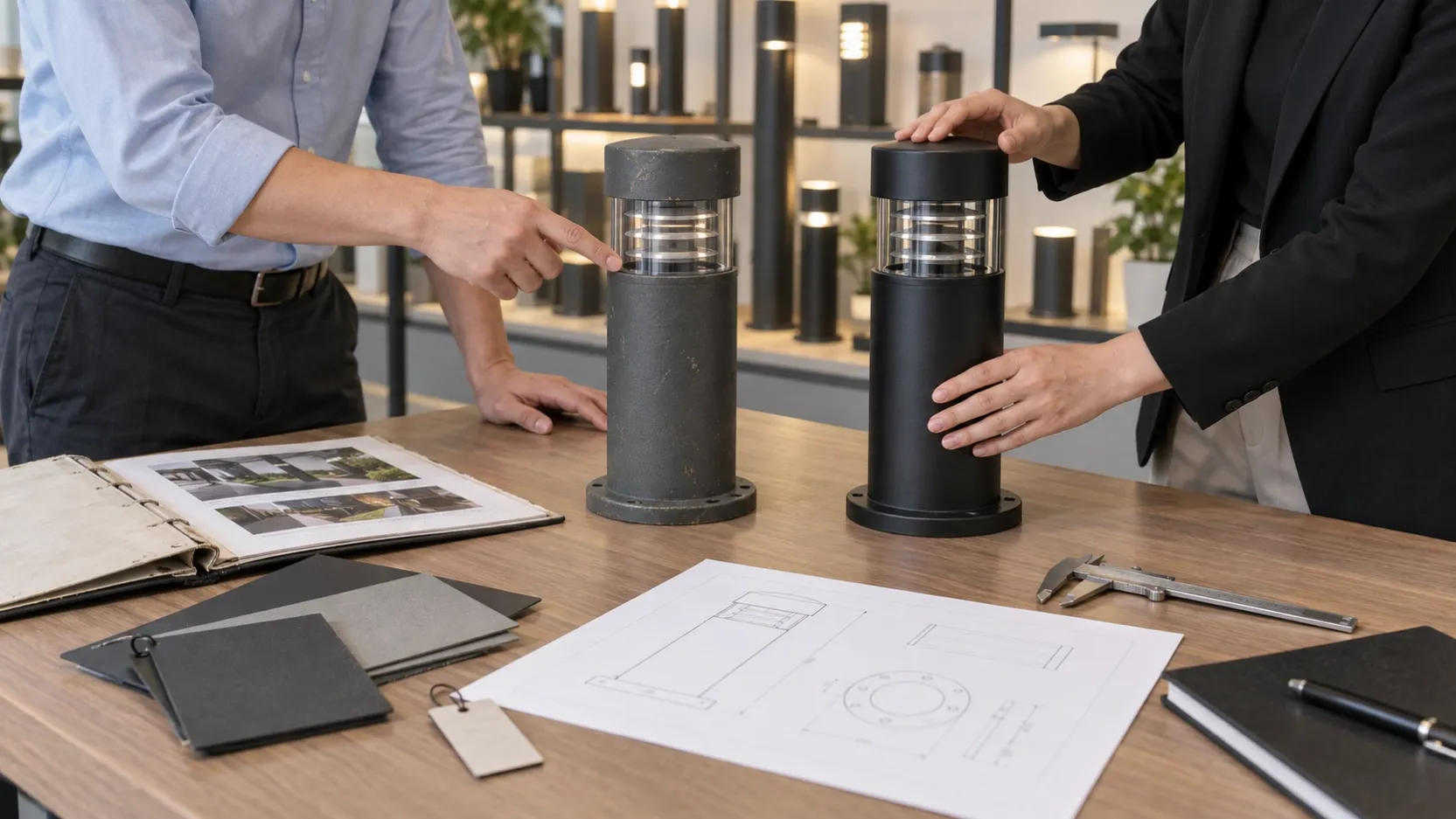
A: Absolutely. We love it when customers compare our lights to the "cheap" ones. You will feel the difference in weight and see the difference in light quality immediately.
There is nothing worse for a hotel manager than a guest checking into a luxury room, only to find the lights flickering. It looks cheap, it’s annoying, and it leads to instant complaints. For the contractor who installed those lights, it means one thing: an expensive, late-night service call.
In this article, you will learn how to identify the root cause of flickering and why choosing the right components is the only way to protect your reputation in the hotel industry. In B2B projects, "stable" is always better than "cheap."
The "Heart" of the Problem: Why LEDs Flicker
Most people think flickering is a problem with the LED chip, but 90% of the time, it’s the driver. Cheap drivers cannot handle the voltage fluctuations common in large buildings like hotels. When the hotel’s AC system or elevators kick in, the power spikes, and low-quality drivers start to struggle. This results in that visible "strobe" effect that ruins the guest experience.
Why Hotel Projects Demand Flicker-Free Technology
In a hotel, lighting isn't just for seeing; it’s for comfort.
- Guest Rooms: Flickering lights cause eye strain and headaches, making it impossible for guests to relax or work.
- Lobbies and Restaurants: These are high-traffic areas where your lighting is on 24/7. You need drivers that meet EMC (Electromagnetic Compatibility) standards to ensure they don't interfere with other hotel electronics.
- Corridors: Safety is key. Stable lighting ensures cameras and security systems work perfectly without "banding" lines caused by poor light frequency.
Our Solution: Stable, Certified, and Guaranteed
At DAYBREAK OPTO-TECHNOLOGY, we don't take risks with hotel projects. We use high-quality, flicker-free drivers that are CE, LVD, and EMC certified. Our 3-year warranty isn't just a promise; it’s a reflection of our engineering. We test our wall lights, downlights, and track lights to ensure they stay stable even when the building's power grid is under heavy load.
Don't Let a Cheap Driver Ruin Your Reputation
As a contractor, your best marketing is a project that never needs a repair. By investing in professional-grade LED solutions, you avoid the "flicker trap" and keep your clients happy.
Contact our technical team today for a quote on flicker-free lighting solutions. Let’s make sure your next hotel project is known for its luxury, not its lighting issues.
Frequently Asked Questions (FAQ)
Q: What is the difference between a standard driver and a flicker-free driver?
A: A standard driver might meet basic safety codes but lacks the advanced circuitry to smooth out power fluctuations. A flicker-free driver ensures a constant, stable current to the LED, which is essential for high-end commercial spaces.
Q: Does flickering affect the lifespan of the LED light?
A: Yes. Constant flickering puts stress on the LED chip and the internal components, leading to early failure. Using a stable driver can extend the life of your fixture significantly.
Q: Can you provide samples for testing in our mock-up room?
A: Absolutely. We highly recommend testing our lights in a hotel mock-up room so you can see the stability and light quality firsthand before committing to a bulk order.